
Alternative Provision in Trafford & Manchester
When a young person needs education outside their usual school setting, the next step should begin with understanding them. Our approved Alternative Provision in Urmston combines academic learning, practical activities and personal support, with programmes discussed around each learner's needs.
Discuss an AP placement- Primary and secondary learners
- Academic and practical learning
- Families, schools and local authorities

Who is Alternative Provision for?
There is no single story behind an AP enquiry. A pupil may be struggling to attend their current school, finding the curriculum difficult to access or waiting for a suitable placement. Another may need additional support alongside school or a carefully considered route back into a fuller education programme.
Beyond Education works with children and young people across the primary and secondary age range. Our brochures describe support for learners with autism or ADHD, anxiety around school attendance, difficulties with behaviour or engagement, and other barriers to learning. The relevant question is whether our setting and proposed support can meet the individual's needs.
A label alone cannot answer that question. We want to hear what helps the young person feel settled, what makes a task difficult, which interests they enjoy and what has already been tried. Families, schools and other professionals may each have a different part of that picture.
An initial enquiry is a chance to explore suitability. It does not confirm a place, a particular timetable or funding. If we need further information to understand the support required, the team will explain how to share it securely and who should be involved in the discussion.
Keep learning within reach
Academic learning remains an important part of our provision. We offer the full primary curriculum and selected subjects at KS3, GCSE and A Level, with the proposed programme discussed according to the learner's stage, needs and available specialist support.
A starting point may be revisiting core reading or number skills, reconnecting with a subject the young person enjoys or working towards a specific qualification goal. We consider what they can currently manage and what progress would look like in practice. A programme should be understandable to the people supporting it.
For an older learner, tell us the course, exam board and any existing school or college arrangements. Subject tuition, qualification entry and examination access arrangements are different matters. These responsibilities need to be clear before a programme begins; an AP placement does not automatically include entry for every requested qualification.
Where a young person has missed learning, it helps to identify the particular gaps instead of treating everything as lost. Small, well-chosen tasks can show what is already secure and where teaching should start. The aim is to make the next step manageable while retaining a purposeful direction.

Practical activities with a place in the programme
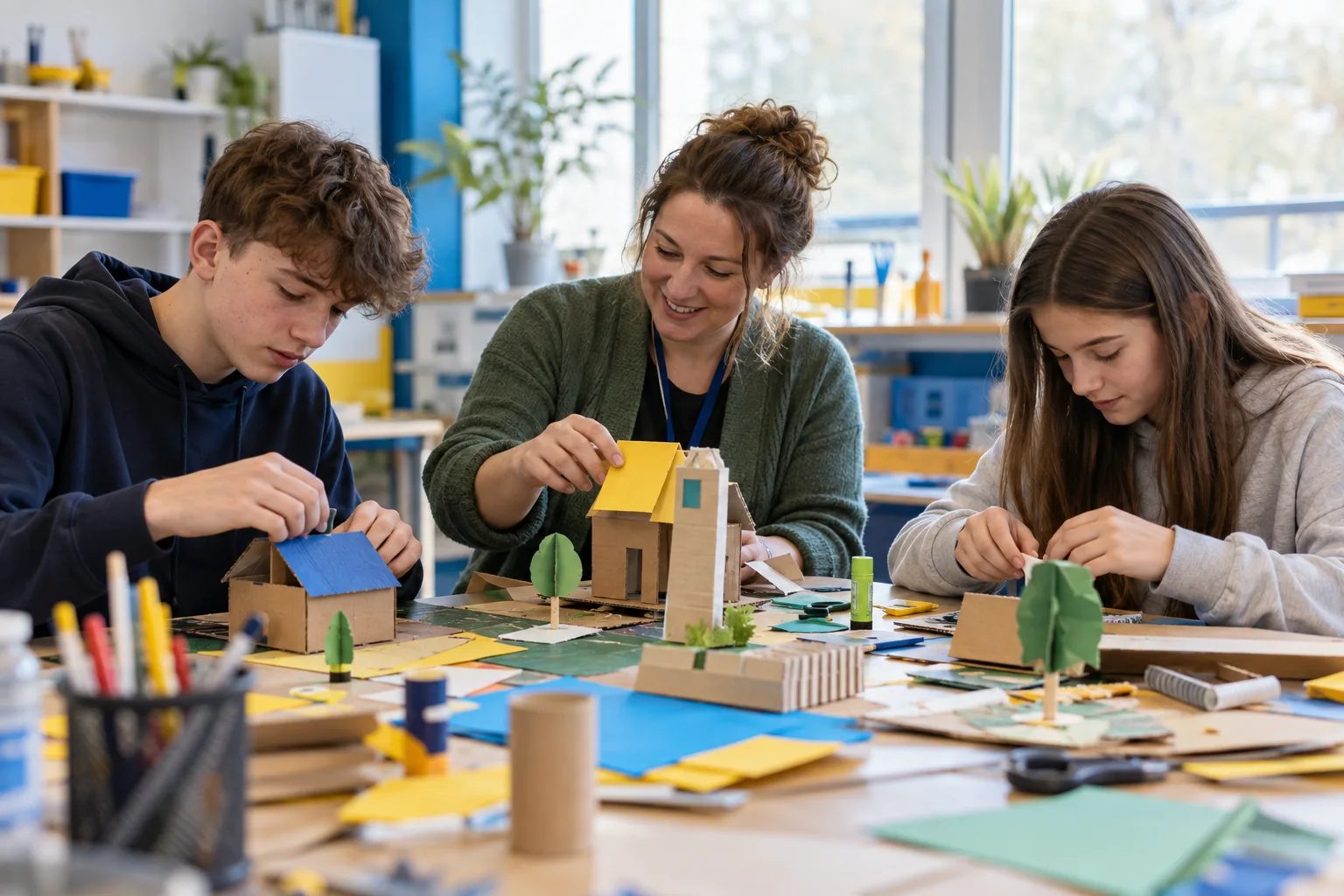
Cooking, baking, arts and crafts, science and special-interest activities feature in our AP information. They offer different ways to engage with a task, communicate an idea and use skills in a practical setting. They can also help a young person reconnect with the experience of completing something they care about.
For example, following a recipe can involve reading, measuring, sequencing and sharing equipment. A creative project can involve planning, making choices and discussing what to change. These are examples of how practical work can connect with learning; the activities offered depend on the individual programme.
Young people's interests give us useful starting points. We listen to what they enjoy and consider how that can sit alongside academic priorities. An interest does not have to become a reward held back until every written task is finished; it can help us understand how the learner approaches a challenge.
Our example timetable includes morning academic sessions and afternoon practical or wellbeing activities. It is an illustration of the provision, not a promise that every learner will attend the same hours or follow the same combination. Staff will discuss and confirm the actual arrangement.
Relationships, confidence and a manageable start
A young person who has found education difficult may need time to feel comfortable with unfamiliar adults and surroundings. We take that into account when discussing a visit and the first sessions. Knowing who they will meet and what the visit involves can make the start feel more predictable.
Our approach places importance on positive relationships and listening to the learner. Confidence may grow through understanding a task, asking for help or returning to an activity after a difficult moment. Those changes can matter alongside academic work, particularly when re-engagement is an early priority.
The brochures describe wellbeing and life-skills support within the educational programme. This should not be confused with a promise of clinical treatment or specialist therapy. If a learner needs support from another professional, that should be discussed as part of the wider plan rather than assumed to be included in tuition.
Families can help us understand routines, communication preferences and what has made previous settings difficult. Schools and professionals can explain existing plans and relevant strategies. The young person's own view remains important, including when they communicate discomfort in ways other than a direct explanation.
A shared plan with families and referrers
Our AP team works with families, schools and local authorities across Trafford, Manchester and the wider North West. A useful discussion establishes the purpose of the placement, the proposed timetable, the people responsible for different decisions and the way progress will be reviewed.
For a school or local-authority referral, please identify a main contact and explain the broad reason for the enquiry. Initial messages should contain only the information needed to start a conversation. The team will arrange an appropriate way to exchange detailed records if those are needed for a suitability assessment.
Before a placement starts, the relevant parties should understand the attendance arrangements, contact routes, intended outcomes and review process. We can discuss reporting requirements with the commissioner, rather than assume every organisation needs the same information in the same format.
Our schools page explains the commissioning conversation in more detail. Parents are also welcome to contact us directly, including when they are unsure which route applies. Where a school or local authority needs to agree the provision, we will make that part of the next-step discussion.
What progress can look like
Progress depends on the starting point and the purpose of the programme. For one learner, it may mean developing reading or maths skills and working towards qualifications. For another, early priorities may include attending, beginning a task or communicating when support is needed.
It is useful to make these priorities specific. 'Improve confidence' might be explored through the learner's willingness to attempt unfamiliar work, ask a question or take part in an activity. The team can discuss what evidence will help families and referrers understand the changes being made.
Our aim is to support meaningful academic and personal development. For some young people, the next step may include a return to mainstream education; for others, it may be a different placement or stage of learning. Reintegration should be planned with the relevant people and cannot be promised as the outcome for every learner.
Regular discussion gives the programme a chance to respond. If the young person's needs, circumstances or engagement change, that information should inform the review rather than be left until the end of a placement. Staff will explain the agreed contact and review arrangements.

AP, EOTAS and funding: understand the route
Alternative Provision describes an educational arrangement outside the usual school setting. EOTAS means education otherwise than at school and may form part of a specifically agreed arrangement for a learner with an education, health and care plan. Elective home education is a separate route chosen by a family. These terms should not be used interchangeably.
An AP enquiry or placement does not automatically create an entitlement to an EOTAS package. If an EHCP or local-authority decision is involved, discuss the proposed provision with the responsible team and seek independent advice where needed. Our role is to explain what Beyond Education can offer and contribute relevant information.
The AP booklet describes school or local-authority funding, provision agreed through an EHCP and privately funded placements. The route, cost, responsibilities and authorisation need to be settled for the individual arrangement. We cannot confirm funding on behalf of a school or local authority.
If you are unsure where to begin, speaking with your child's school or SENDCo can be useful. You can also contact Beyond Education to discuss the setting and possible next steps. An enquiry gives everyone a chance to clarify the process before a family makes a commitment.
Come and get a feel for the setting
Beyond Education occupies 171, 173 and 175 Broadway in Urmston. We are an established education organisation with over 30 staff across our wider team. A visit can help you understand how the proposed learning environment might work for the young person.
Please arrange the visit with the office. Let us know who will attend, any access requirements and anything that would help the young person prepare. We can explain the meeting arrangements before you arrive, including whether it would be useful for a school or professional contact to join the conversation.
You are welcome to bring questions about curriculum, staff, practical activities, attendance and communication. It is better to clarify a concern at the beginning than assume a particular arrangement will be available. The team will explain what can be offered and what still needs agreement.
Your questions, answered.
Can a parent enquire directly about Alternative Provision?
Yes. Parents and carers can contact us to discuss their child and the setting. A direct enquiry does not itself confirm a funded placement. If a school or local authority is responsible for agreeing the provision, that organisation needs to be involved in the placement and funding arrangements.
Does a child need an EHCP to be considered?
The booklet describes several routes, including school-funded and privately funded arrangements as well as EHCP-related provision. Tell us the current circumstances so staff can discuss suitability and the relevant process. An EHCP does not by itself confirm that Beyond Education can meet every identified need.
Can the programme include practical learning?
Yes. The provision described in our brochures includes cooking, baking, creative work, science, special interests and life skills alongside academic learning. The actual combination is discussed around the learner and the purpose of the placement, rather than assumed to be identical for everyone.
Is a part-time timetable available?
A proposed timetable needs an individual discussion with the relevant people. Please explain the current educational arrangement and what is being sought. Hours, attendance responsibilities and review arrangements must be agreed before a placement begins; an enquiry does not authorise a reduced school timetable.
Who will tell us about attendance and progress?
The team will agree communication and reporting arrangements with the family and, where applicable, the school or commissioner. Ask who the main contact will be, how absences should be reported and when progress will be reviewed. We do not assume every referral uses the same reporting format.
Does AP mean the same thing as EOTAS?
No. AP and EOTAS describe different arrangements, and elective home education is different again. EOTAS may be agreed within an EHCP in particular circumstances. An AP placement alone does not establish that arrangement. Our guide links to independent information and explains the terms in plain language.
Can we send an EHCP through the website?
Please do not send sensitive documents with an initial website enquiry. Share adult contact details and a brief description of what you are seeking. Staff will explain a suitable way to exchange records if they are needed for the next stage of the discussion.
Let's discuss the right support
Families, schools and local authorities are welcome to contact the team about suitability and next steps.