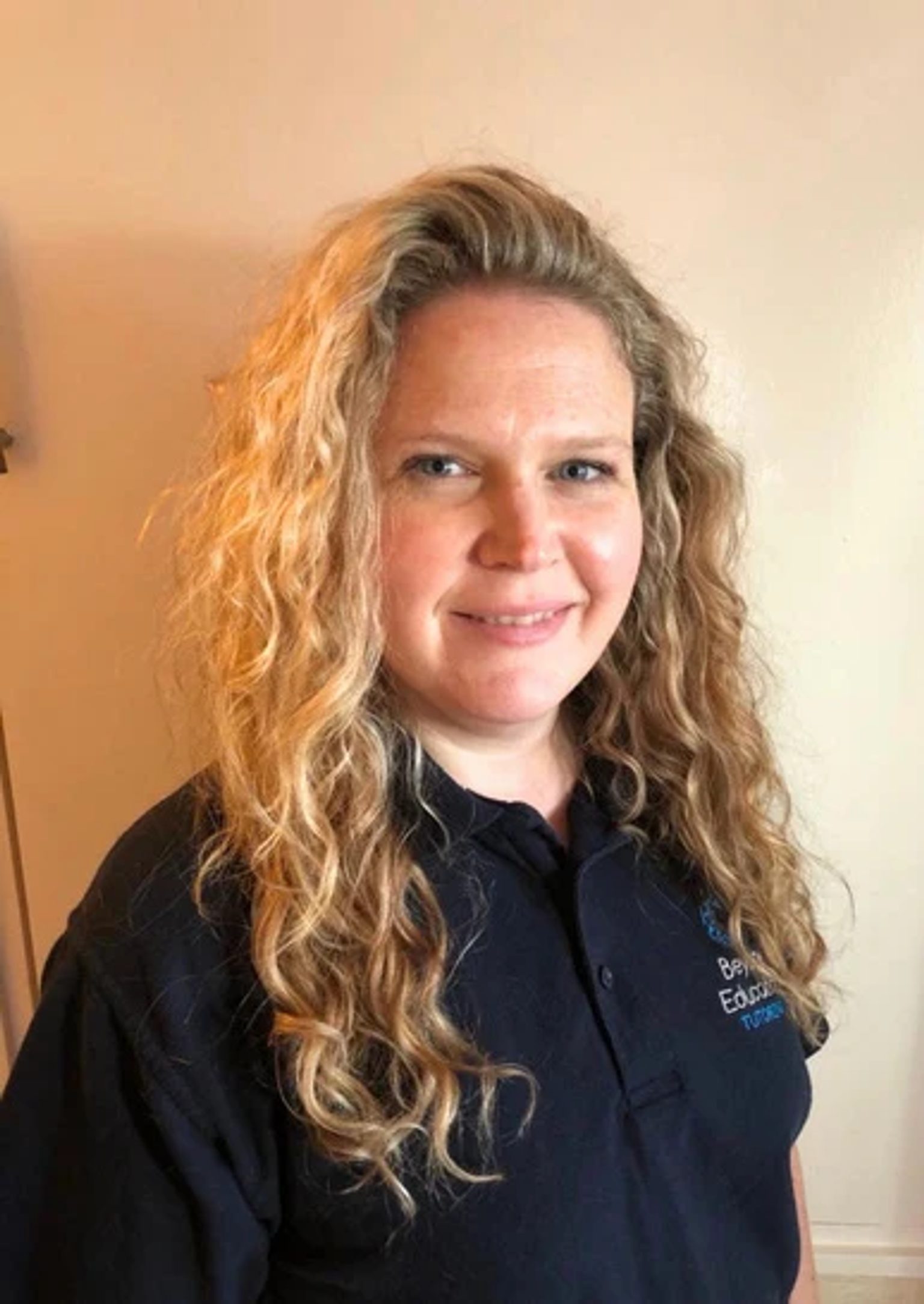
Anne-Marie · SEND Lead
Contact the office to arrange the relevant conversation about learning needs and support.

Tell us what helps your child learn, what they enjoy and what they find difficult. We can discuss their needs and whether our tuition or Alternative Provision is a suitable next step.
Discuss support
Special educational needs and disabilities, often shortened to SEND, can affect learning in different ways. A diagnosis or description of a difficulty is only part of the picture. We also want to understand the learner’s interests, communication, current education and the approaches that have helped before.
You can begin an enquiry without sending a full set of records. Share the learner’s broad stage and the kind of support being sought. If an EHCP, school information or other documents are needed, staff can arrange an appropriate way to receive them.
A useful conversation can include how instructions are given, the pace of a session, breaks, group size and how a learner prepares for an unfamiliar setting. Tell us about communication preferences, sensory needs or access requirements that could affect participation.
These are points to discuss, rather than a promise that every adjustment or specialist service is available. Before agreeing support, we need to consider the setting, staffing and the individual needs involved. If a proposed arrangement is not suitable, that needs to be clear before a start is agreed.
Anne-Marie and Helen are identified as SEND Leads in the supplied AP parent information. Contact the office to discuss who should contribute to your child’s enquiry or placement discussion.
Families, schools and other professionals may each have useful information. For Alternative Provision, the discussion should clarify which parts of an agreed plan the proposed placement can support and who remains responsible for the wider arrangements.
Contact the office to arrange the relevant conversation about learning needs and support.
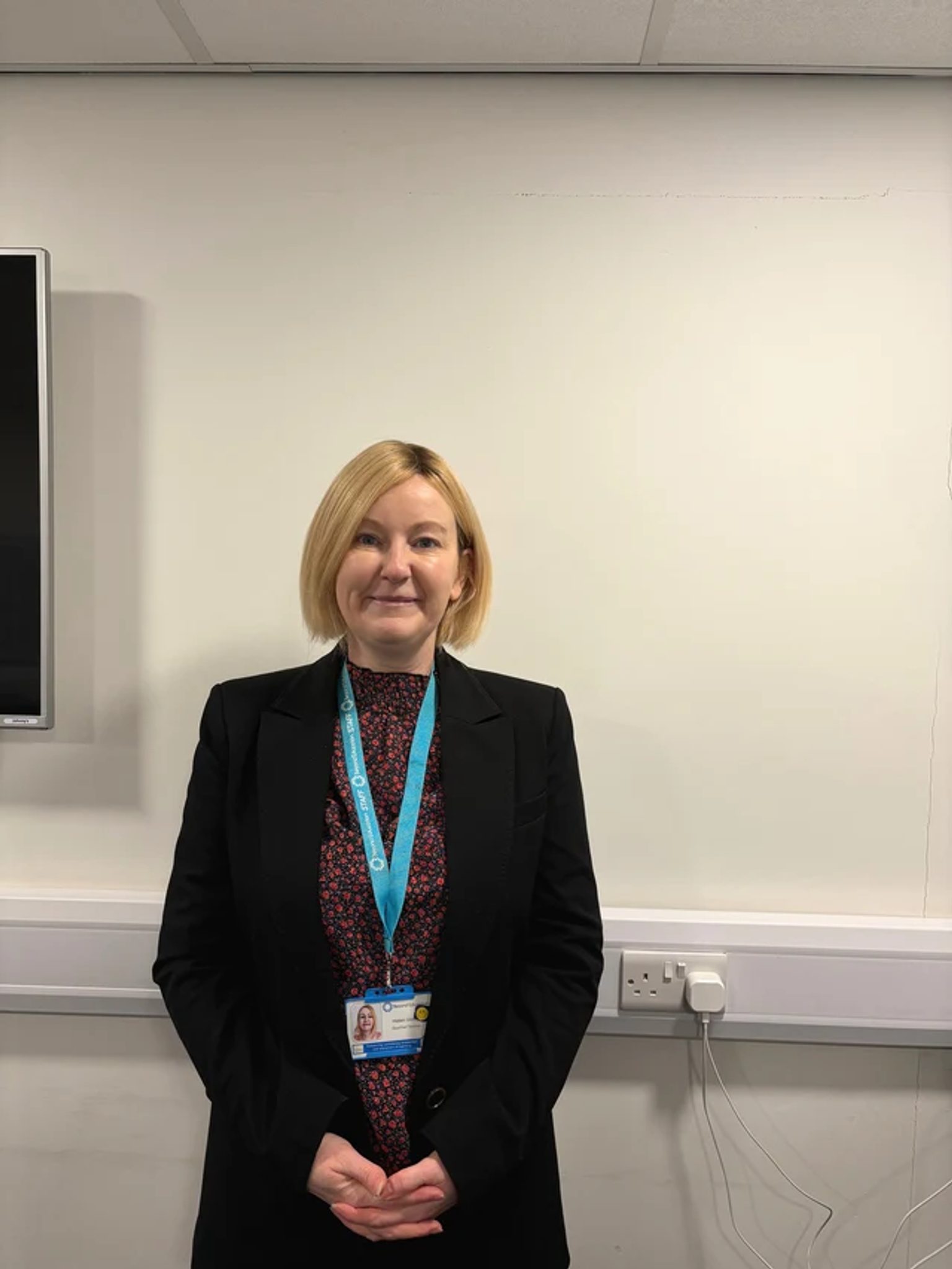
Ask the team who will be involved in considering the proposed support or placement.
Before a programme begins, discuss the proposed teaching, attendance pattern, relevant adjustments and how information will be shared. For a commissioned placement, involve the school or local-authority contact so the responsibilities are understood.
Progress may include subject knowledge, participation, confidence or engagement with learning. The useful measures and review arrangements depend on the individual programme. If circumstances change, raise this with the team so the suitability of the arrangements can be reconsidered.
Please discuss physical access requirements before visiting our Broadway centre. If a young person needs preparation for a first visit, explain what information or support would help. We can talk through the purpose of the visit and the questions you would like answered.
If the website or a document is difficult to use, ask for another way to access the information. Concerns about support can be raised with the office; safeguarding concerns should use the direct safeguarding contacts.
You can start by discussing the support your child needs and what has helped previously. The team can explain what further information is needed to consider a particular service or placement.
No. Suitability, the proposed programme, available support and commissioning or funding arrangements need to be discussed and agreed. An enquiry is not confirmation of a placement.
Yes. Raise communication, sensory, learning or access needs early so the team can consider what is possible. The proposed adjustments should be agreed before assuming they can be provided.
No such assumption should be made. Ask about the relevant staff, experience and support for the learner’s particular needs. Individual suitability matters for both tuition and Alternative Provision.
Do not upload confidential records through a general website enquiry. Ask staff for the secure exchange route and share only the information needed for the discussion.
An initial conversation can help establish what needs to be explored next.